

The Allure of Risk and Reward
The psychology of gambling is deeply entrenched in the allure of risk and reward. Many players are drawn to casinos by the enticing prospect of winning substantial amounts of money, which is often amplified by the thrill of potentially altering their financial situation overnight. The excitement experienced within a casino is meticulously curated through its design, aiming to evoke feelings of euphoria and anticipation, especially with options like online pokies australia that enhance the experience. Elements such as bright lights, the sounds of ringing machines, and the rush of placing bets create a captivating environment that can be both exhilarating and addictive.
Central to gambling psychology is the concept of loss and gain. Players frequently encounter the “near-miss effect,” where coming close to a win reinforces their desire to continue gambling. This psychological phenomenon can perpetuate a cycle of play, as the brain responds to these near-wins by activating its reward centers. The idea that winning is just within reach can keep players engaged far longer than they initially intended, as they chase that elusive victory. This pursuit often leads to an emotional rollercoaster, where hope and disappointment coexist.
Cognitive biases also play a significant role in shaping gambling behavior. A common example is the “gambler’s fallacy,” a misconception wherein individuals believe that past outcomes can influence future events. For instance, if a player has experienced a series of losses, they may become convinced that their luck is due to change, compelling them to take larger risks. This interplay between cognitive biases and the thrill associated with gambling creates an environment where rational decision-making is frequently overshadowed by impulsivity and emotional responses.
The Role of Environment in Gambling Decisions
The environment within a casino is instrumental in influencing a gambler’s psychology and decision-making processes. Casinos are intentionally designed to engage the senses, featuring vibrant colors, elaborate decor, and alluring scents that create a sensory overload. These design choices serve to distract players from their financial goals, immersing them in an atmosphere that encourages longer gambling sessions. The deliberate absence of clocks and windows further enhances this illusion of timelessness, making it easy for patrons to lose track of both time and money.
Social interactions in casinos also significantly impact gambling behavior. Engaging with fellow players can evoke feelings of camaraderie and excitement, enhancing the overall gaming experience. The presence of successful players can act as a psychological motivator, prompting others to emulate their perceived luck or skill. This phenomenon, known as observational learning, illustrates how individuals can subconsciously adopt the behaviors of those around them, often leading to increased gambling activity and risk-taking.

The emotional atmosphere of a casino can also shape decision-making processes. High-energy events, such as tournaments or jackpot announcements, can incite frenzied betting behavior, while quieter moments may prompt reflection and hesitation. Players may find themselves swept up in the collective excitement or anxiety of those around them, resulting in decisions that diverge from their typical cautious approach. This illustrates how the casino environment can have a profound impact on individual psychology, often leading to choices that players might not make in more subdued settings.
The Influence of Hope and Escapism
Hope and escapism are critical concepts in understanding the psychology of gambling. Many individuals gravitate toward casinos not solely for the chance to win, but also as a means to escape the monotony of their daily lives. This desire for adventure and excitement can drive individuals to view gambling as a temporary respite from their everyday challenges. The fantasy of a life-altering win can become a powerful motivator, encouraging players to overlook the inherent risks associated with gambling.
Hope is intricately woven into the fabric of gambling psychology; the belief that one can prevail against the odds fosters a sense of optimism that can become addictive. Gamblers often envision their lives transformed by a significant win, picturing luxurious lifestyles and unattainable dreams. This compelling mental imagery can cloud judgment and lead players to return to the casino, perpetuating a cycle of hope that may ultimately culminate in negative consequences.
Furthermore, research indicates that individuals dealing with stress, depression, or other mental health challenges may turn to gambling as a coping mechanism. The fleeting thrill of winning can provide a temporary diversion from underlying emotional issues. However, this escape can be double-edged; while gambling may offer moments of joy, it can also exacerbate existing problems, leading to a complex and often unhealthy relationship with gaming. Understanding this dynamic is essential for addressing the psychological implications of gambling.
Addiction and the Psychological Risks of Gambling
Gambling addiction represents a significant psychological challenge that impacts many individuals and their families. The thrill associated with betting can lead to compulsive behavior, where players continue to gamble despite experiencing negative consequences. This addiction often arises from the same psychological triggers that initially attracted individuals to casinos: the excitement, the hope of winning, and the social environment. As the addiction deepens, the initial exhilaration may fade, prompting individuals to wager larger amounts in a desperate attempt to recapture that high.
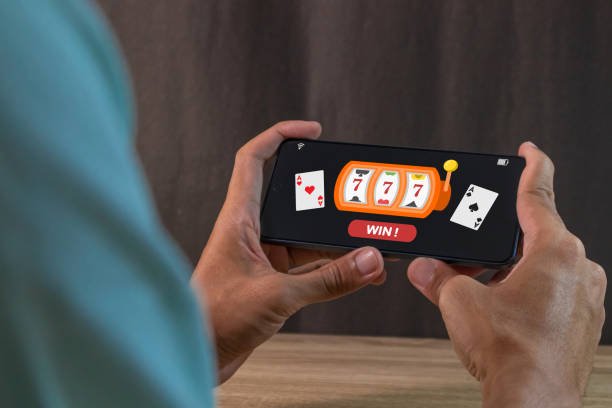
Recognizing the signs of gambling addiction is crucial for intervention and support. Individuals may begin prioritizing gambling over essential responsibilities, resulting in financial difficulties, strained relationships, and emotional turmoil. The relationship between gambling and mental health issues can create a vicious cycle, where individuals seek solace in gambling as a coping strategy, only to find themselves ensnared in a downward spiral. Compassionate awareness and understanding are essential for breaking free from this cycle and promoting healthier habits.
Support networks and treatment options are vital for individuals grappling with gambling addiction. Therapy, support groups, and counseling provide essential tools for understanding underlying psychological issues and developing healthier coping mechanisms. Moreover, public awareness campaigns are instrumental in educating the populace about the risks associated with gambling, fostering a responsible approach to gaming that emphasizes moderation and informed decision-making. Addressing the psychological aspects of gambling is crucial for promoting long-term well-being.
Understanding Casino Psychology through Research
The psychology of gambling in casinos has attracted considerable interest from researchers seeking to unravel the mechanisms driving gambling behavior. Studies delve into various elements, including decision-making processes, emotional experiences, and the impact of environmental stimuli. Through experimental research, psychologists have identified how specific casino stimuli elicit distinct psychological responses, offering insights into why certain individuals may be more susceptible to compulsive gambling than others.
One area of focus is the influence of game design on players’ emotions and decisions. Games that yield frequent small wins can foster a false sense of security, encouraging prolonged play. Conversely, high-stakes games might instill caution, as the potential for loss weighs heavily on players’ minds. Understanding these dynamics not only aids casinos in refining their gaming experiences but also provides insights into the psychological triggers that affect player behavior and engagement.
Ongoing research is dedicated to developing effective strategies to mitigate the adverse effects of gambling. By gaining a deeper understanding of the psychological underpinnings of gambling, public health initiatives and casino policies can be tailored to promote responsible gaming. This can involve implementing measures such as self-exclusion programs, educational resources highlighting gambling risks, and promoting access to support for those in need. Ultimately, enhancing our understanding of casino psychology benefits not only the industry but also the well-being of players engaged in these activities.