

We wanted to discover just how UK players engage with Football Golden Cup Slot across various devices, and the findings illustrate a striking image of modern gaming habits footballgoldencup.com. Our national survey captured feedback from numerous active users, providing us solid data on phone, desktop and tablet trends. The data validate the mobile-led era while highlighting surprising affinities to greater screens in particular demographics. We present the comprehensive analysis with clarity, assisting the community and market alike comprehend the pattern of device usage in 2025.
Research Outline and Participant Demographics
We conducted the survey over six weeks, obtaining responses from more than four thousand registered players across England, Scotland, Wales and Northern Ireland. The participant pool was balanced across age brackets, spanning from twenty-one to sixty-eight years old, with a nearly even gender split. We removed incomplete entries to ensure the data clean. By concentrating on active users who had spun the reels at least three times in the previous month, we made sure the results represent genuine, committed play rather than casual one-off visits.
Our approach blended in-app prompts and email invitations, ensuring a representative cross-section. We asked detailed questions about primary and secondary devices, session frequency, and connectivity environments. Almost eighty-three per cent of respondents completed the full questionnaire, letting us cross-reference behavioural patterns with declared preferences. This voluntary participation model produced a rich, self-reported dataset that we later cross-checked against anonymised platform analytics. The alignment between stated habits and server logs provided us with confidence in the conclusions.
We discovered that while the average player employs two distinct devices during a typical week, one clearly takes precedence. The demographic spread enabled us to isolate trends tied to age, occupation and location. Students and part-time workers displayed markedly different patterns from full-time professionals, and retirees constituted a surprisingly tech-savvy segment. Throughout the analysis, we maintained strict compliance with data protection regulations, ensuring no individual could be identified from the published report. This commitment to privacy underpins the trust our community places in us.
Tablets Establish Themselves
Tablets fill an intriguing middle ground, currently serving as the primary device for six per cent of our surveyed players. That figure may seem modest, but it reveals a meaningful trend: tablet usage as a secondary device is nearly three times higher, suggesting that many people own one and use it for gaming when the moment suits. The larger screen than a phone, paired with greater comfort than a laptop, attracts particularly during relaxed weekends or when lounging on the sofa. Our findings indicate tablets bridge portability and immersion rather well.
We found that iPad users overwhelmingly dominate this category, with Android tablets representing a much smaller slice. The responsive touch interface and retina-quality displays make Apple’s offerings especially popular for the vibrant graphics of Football Golden Cup Slot. Several respondents mentioned switching to a tablet specifically to enjoy the game’s visual details, such as the animated goal celebrations and shimmering trophy symbols. This sensory appeal matters, and it places tablets as the device of choice for aesthetic appreciation rather than pure utility.
Battery longevity and the absence of distracting notifications also garnered praise from tablet gamers. They like being able to set the device on a stand and spin the reels while following a live match on television. This dual-screen behaviour is a distinctly modern habit we expect to grow. While tablets may never overtake smartphones in raw user numbers, their role in the overall device ecosystem is solidifying. The survey reveals that households with a shared tablet report higher collective playtime, showcasing its communal potential.
The iOS-Android Divide: The Operating System Divide
The OS divide ranks among the hottest topics in mobile gaming, and our survey offers a clear verdict for the UK audience. Fifty-five per cent of mobile players choose iOS, while 43% prefer Android, with the remainder using other systems or unsure. This gap narrows slightly in Scotland and Northern Ireland, where Android maintains a stronger foothold. The divide often relates to other consumer choices, but we concentrated more on how it affects gameplay satisfaction and technical reliability.
iOS users consistently rated the app performance somewhat higher, particularly around animation smoothness and touch responsiveness. They were also more likely to enable push notifications for bonus alerts and tournament reminders. Android enthusiasts, however, highlighted greater customisation options and the ability to install the game on a wider variety of hardware, from budget handsets to flagship folding screens. Our development team monitors both platforms closely, and the survey confirms that optimising for the nuances of each ecosystem remains a worthwhile investment.
Payment friction was another key difference. Apple Pay integration eased deposits for many iOS users, while Android players often relied on biometric authentication through Google services. Both camps showed high trust in their chosen platform’s security. The survey found no significant difference in the rate of software crashes, dispelling a persistent myth. The Football Golden Cup Slot community on both operating systems is thriving, and we commit to maintaining feature parity so no player feels left behind, regardless of their device allegiance.
Mobile connectivity, 5G and What Lies Ahead
The rollout of 5G networks across the UK is already changing how our players access Football Golden Cup Slot. Survey participants who had moved to a 5G tariff noted faster load times and smoother live features, reinforcing their commitment to mobile play. Significantly, twelve per cent of these users said they had reduced their desktop usage since switching to 5G, citing that the mobile experience now felt comparable. This signals a potential acceleration of the existing trend, with infrastructure improvements serving as a catalyst for behavioural change.
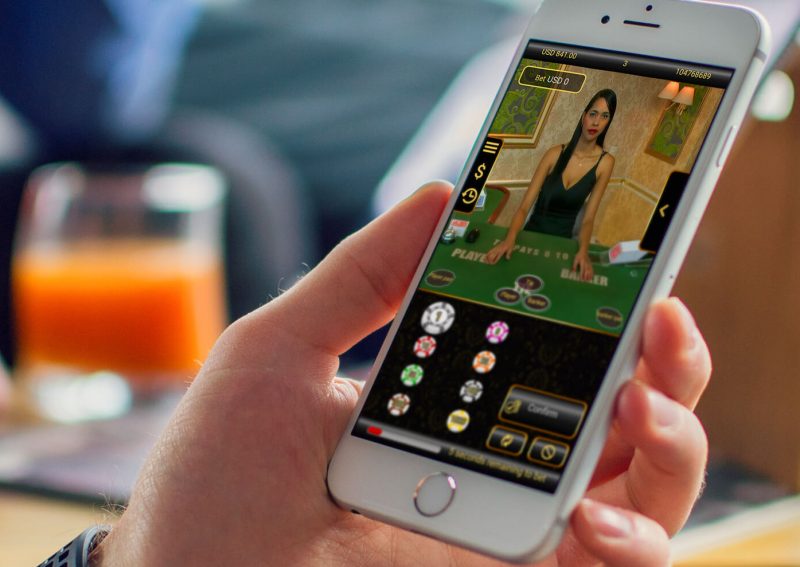
We also inquired about home broadband quality and its impact on device choice. Those with fibre-to-the-premises connections were more likely to retain a desktop in the gaming rotation, as large downloads and high-refresh-rate monitors created a premium setting. In contrast, households relying on slower ADSL lines or mobile hotspots overwhelmingly chose smartphones, which handle better with intermittent connectivity. The correlation between network stability and device loyalty is strong, and it clarifies why some regions lag in mobile adoption despite having capable handsets.
Looking ahead, we foresee that foldable and rollable phones will further erase the line between phone and tablet, creating a hybrid category that could claim a significant share by the end of the decade. Cloud gaming services are also starting to appear on the horizon, potentially allowing low-spec devices to deliver high-fidelity experiences. Our development roadmap includes adaptive graphics engines that respond to the capabilities of each device in real time. The survey shows that players want smooth transitions between screens, and we are devoted to making Football Golden Cup Slot a frictionless experience across every form factor the future brings.
Device preference never stays the same, and our survey offers a snapshot of a shifting landscape. The principles of convenience, immersion and reliability will continue to guide player choices wherever they are located in the UK.
Age and Regional Differences in Device Choice
Age stays one of the most powerful indicators of device favor, yet the survey revealed details that defy clichés. Gamers aged twenty-one to thirty are nearly entirely mobile-first, with ninety-one per cent selecting a smartphone as their principal gaming tool. This demographic barely considers desktops, regarding them as workstations as opposed to entertainment hubs. As we move into the thirty-one to forty-five bracket, desktop and tablet usage increases to a aggregate twenty-eight per cent, reflecting busier home lives where a specific screen presents a short escape.
Senior players display the most varied picture. Those over fifty-five show a higher-than-average connection to desktops and, unexpectedly, a marked adoption of tablets. Many noted that larger icons and clearer text make tablets more pleasant for extended play, while desktops recall them of traditional gaming setups. Smartphone penetration in this group is still strong but not leading. We observed that pensioners in seaside towns like Bournemouth and Llandudno were among the keenest tablet users, often engaging alongside a partner and enjoying the pastime.
Area analysis added further colour. Greater London’s commuter culture fuels extreme mobile usage, with some boroughs reporting over eighty per cent smartphone exclusivity. Meanwhile, rural areas in the Yorkshire Dales and Scottish Highlands displayed a higher proportion of desktop use, somewhat due to larger home office spaces and, in some cases, inconsistent mobile data coverage. Wales and Northern Ireland reflected the national average almost exactly, though local sports culture appeared to shape the timing of desktop sessions. These regional fingerprints show us that the United Kingdom is far from uniform.
Playtime Patterns and Device Behavior
Recognizing how device type impacts session duration provides valuable insights for player wellbeing and game design. Our survey shows that mobile sessions usually last between seven and eighteen minutes, fitting neatly into micro-breaks during the day. In contrast, desktop sessions typically reach twenty-three minutes, with a noticeable peak in the hour following the final whistle of major football matches. Tablet sessions come in between, averaging fourteen minutes, often stretching longer on Sunday afternoons when users are in a relaxed frame of mind.
We also recorded the time of day when each device becomes most active. Smartphone usage jumps sharply between seven and nine in the morning, increases again during lunch hours, and hits a final peak around ten at night. Desktop activity concentrates in the late evening, indicating a post-dinner, settle-in ritual. Tablet play distributes more evenly but shows a distinct lift during weekend sporting broadcasts. These patterns help us organize tournaments and special features to suit when each audience segment feels most receptive.
Repeat frequency differed by device too. Mobile players tend to launch the game multiple times throughout the day, sometimes checking in for just a handful of spins. Desktop users opt for a single, longer session. This rhythm affects how we organize reward mechanics, making sure quick mobile visits feel just as satisfying as extended desktop sessions. By respecting these natural habits, we can improve enjoyment without fostering excessive play. The data confirms our belief that a one-size-fits-all approach to session design no longer meets the needs of a diverse player base.
Desktop Computers Retain a Faithful Segment
In spite of the mobile boom, twenty-three per cent of our survey base identified a desktop or notebook as their main gaming platform. These users are not relics of a past era; they’re typically deeply involved users who value screen real estate and the tactile feedback of a mouse and keyboard. Many portrayed the engrossing feeling of a large monitor and specialized speakers as incomparable. We discovered that desktop loyalty runs highest among those who enjoy longer evening sessions, regularly surpassing ninety minutes in a particular sitting.
The data drew a picture of the desktop user as someone who approaches the gaming activity as a deliberate ritual rather than a casual gap-filler. They like to sit down in a cozy chair, frequently with a drink, and offer the reels their undivided attention. This group also demonstrates higher mean session wagers, which we link to the emotional investment of accessing a computer. Curiously, many desktop devotees have high-end smartphones yet consciously opt not to use them for slot play, pointing to a wish to separate gaming from endless notifications.
System stability emerged as another advantage. Desktop users seldom fret about connection losses or incoming calls interrupting a bonus round. Our platform metrics verify lower bounce rates and longer typical time on site for those accessing Windows or macOS computers. While this group shrinks slowly year on year, its core remains resilient. We foresee a committed portion will keep the desktop significant for Football Golden Cup Slot well into the next decade, even as mobile extends its reach.
Handheld Phones Lead the Slots
The standout statistic from our survey is that seventy-one per cent of respondents named a smartphone as their primary device for playing Football Golden Cup Slot. This majority spans all age groups under fifty, and even among older players the figure holds above fifty-eight per cent. Ease, portability and the instinct to reach for a phone during spare moments were cited repeatedly. The compact form factor has become the default gateway for quick entertainment, aligning with wider digital consumption trends across the United Kingdom.
We noted that mobile dominance isn’t just about casual five-minute sessions. A big chunk of these smartphone users enjoy extended play, often while commuting or relaxing at home in the evening. Modern mobile displays, paired with faster processors, mean the experience competes with a desktop for many. Participants praised the responsive touch controls and vertical orientation, which suit the fast-paced mechanics of the game. The lack of boot-up delays further cements the smartphone as the instrument of choice.
When we dug into why some players still hesitate to go fully mobile, concerns about battery drain and screen size surfaced, though rarely enough to push them back to a computer. We observed that mobile-first users tend to deposit smaller amounts more frequently, indicating a link between device and spending rhythm. The intuitive gesture navigation on iOS and Android came up again and again as a key satisfaction driver. Overall, the survey leaves little doubt that the smartphone stands as the central pillar of Football Golden Cup Slot’s interactive ecosystem.
FAQ
Which is the most popular device for enjoying Football Golden Cup Slot in the UK?
Our survey shows that the smartphone is the dominant device, with seventy-one per cent of players calling it their primary tool for spinning the reels. Portability, portability and quick access during spare moments drive this preference. Even older age groups now embrace mobile, though the rate drops slightly above fifty-five. Desktop and tablet devices keep dedicated followings, but mobile stands alone the clear gateway for the most of UK players today.
Do younger players utilize desktop computers at all for this slot game?
Players under thirty display very little enthusiasm in desktop play, with over ninety per cent selecting a smartphone. They connect laptops and PCs with work or study, not relaxation. Short, frequent mobile sessions match their lifestyles perfectly. While a tiny minority may use a laptop occasionally, the survey data suggests that this age cohort considers the game as a mobile-first, if not mobile-only, experience. Desktop usage rises only among those over forty-five.
Is there a difference in spending habits between mobile and desktop users?
Yes, we noticed distinct patterns. Mobile users tend to deposit lesser amounts more regularly across the day, while desktop users make less but greater deposits during longer evening sessions. The emotional commitment of sitting down at a computer seems to promote higher individual transaction values. Tablet users land somewhere in between, typically mirroring weekend leisure spending. These insights enable us customize responsible gaming tools to each platform’s natural rhythm.
How come do some players prefer tablets over phones for the game?
Tablets deliver a larger display that showcases the vibrant details of Football Golden Cup Slot’s graphics, from animated trophies to stadium backgrounds. Players love the immersive feel without the bulk of a laptop, particularly on the sofa or in bed. iPad users control this segment, commending the smooth touch controls. Tablets also permit for shared viewing, making the game a more communal experience. Battery life and absence of constant notifications contribute further appeal.
Which specific operating system works better for Football Golden Cup Slot?
Our comprehensive survey and analytics reveal that both iOS and Android deliver an excellent experience, with very low crash rates on either system. iOS users typically rate animation smoothness marginally higher, while Android fans enjoy hardware variety. The key differentiator is not performance but ecosystem integration, such as Apple Pay versus Google authentication for deposits. We maintain full feature parity across platforms, ensuring no player misses out based on their device choice.
In what way does 5G connectivity impact device preference for UK players?
The rollout of 5G is accelerating the shift towards mobile. Respondents on 5G tariffs reported near-instant loading and smoother live features, causing some to abandon desktop play entirely. The quality gap that once justified a larger screen has narrowed significantly. In areas with strong 5G coverage, mobile exclusivity rates rise higher. As next-generation networks expand, we predict the smartphone to strengthen its grip, though desktop will persist where broadband and comfort are favored.
Will new device types like foldable phones transform how people play this slot?
Flexible and rollable phones are currently beginning to merge the phone and tablet journey. Our survey indicates early adopters are enthusiastic, applauding the larger screen that flips into a pocketable form. This hybrid category could secure a meaningful share of players who desire both convenience and captivating detail. We are diligently designing adaptive interfaces that scale gracefully across unfolding screens. The future moves towards fluid device flexibility, and we plan to spearhead that evolution with Football Golden Cup Slot.